
TEAM FARNHAM CLIENT RESOURCES
Your Home Buying Journey
From accepted offer to keys in hand, we’re here to guide you through every step.
Congratulations, your offer was accepted!
This guide explains the usual next steps, what may be asked of you, and how we’ll keep you updated. Tap any step above to jump to it. Your contract sets the actual dates, and your Team Farnham agent and transaction manager will tell you what applies to your purchase.
01
Step 1
Under Contract
Watch: We’re in escrow! What happens next
What happens
Once everyone has signed the purchase agreement and any counteroffers, we send them to escrow. We confirm the key dates, introduce the people helping with your purchase, and explain what comes next.
You’ll send your earnest money deposit (a good-faith deposit that shows the seller you’re serious) to escrow by the date in your contract. Escrow, the neutral company that holds the money and documents until closing, opens your file. Title work begins, meaning the title company checks that the home’s ownership is clear and can be transferred to you, and the seller starts sending required disclosures, including the Seller’s Real Property Disclosure. If the home is in an HOA, the HOA resale package is ordered too.
If you’re getting a loan, let your lender know right away that you’re under contract. They’ll start your file and ask for documents.
Your part
- Review our key-dates summary.
- Wire your earnest money deposit by the contract deadline. Always confirm wiring instructions with escrow by phone before sending.
- Promptly return anything that lender or escrow requests.
- Fill out escrow’s buyer questionnaire.
- Start shopping for homeowners insurance.
Common questions
Who should I contact with a question?
Reply to your Team Farnham group text. Your agent and transaction manager both see it, so you don’t have to figure out who handles what. Escrow or your lender may contact you directly about paperwork, funds, or your loan, but you can always bring any question to us. Our team number is 702-530-7289.
What happens to my earnest money deposit?
Escrow holds on to it, then it typically goes towards your down payment and closing costs at closing. If for some reason we do not close, both the buyer & seller have to agree to get the deposit released.
What disclosures will I get?
You’ll get the Seller’s Real Property Disclosure, where the seller shares what they know about the home’s condition. Depending on the home, you may also get HOA documents, a lead-based paint disclosure for homes built before 1978, and information about solar or special assessments. Read each one, and ask us anything that’s unclear.
Can I make changes to my loan or finances now?
Please talk with your lender before you do. Avoid opening new credit cards, financing a car or furniture, changing jobs, or moving large sums of money until after closing. Any of these could delay or affect your loan.
02
Step 2
Inspections
Watch: Preparing for your home inspection
What happens
Your due diligence period is your time to learn everything you can about the home. The length is set in your contract (typically 7-10 days). During this time, you can hire a licensed home inspector, review the disclosures and HOA documents, and check anything else that matters to you. We schedule access with the listing agent.
After the inspection, we go over the report with you. If you want the seller to make repairs, give a credit, or adjust the price, we’ll help you put together a request.
Your part
- Choose a home inspector. We’re happy to share names of inspectors past clients have used.
- Attend the end of the inspection if you can.
- Read the full inspection report.
- Decide whether you need any specialist inspections, such as roof, pool, HVAC, or sewer line.
- Review the HOA documents, solar paperwork, and disclosures you receive.
Common questions
Should I go to the inspection?
We recommend it, at least for the last part. Most inspections take two to three hours, and longer for a large home or one with a pool. Often the inspector works through the home first, and you and your agent arrive near the end to go over the findings in person. If you can’t make it, no problem, our team will go on your behalf and discuss any findings with you virtually.
Who pays for inspections?
The buyer pays the inspector directly, often at or before the appointment. Ask the inspector about cost when you book. We’ll help you decide which inspections make sense for the home. We recommend starting with a general home inspection and going from there.
What if the inspection finds problems?
Every inspection report lists something, even a new or very well-kept home. We’ll help you separate major items, like safety, roof, or plumbing issues, from normal wear. Then we’ll talk about whether to ask for repairs, a credit, a price change, or nothing at all. Keep in mind, an inspection is to educate you on your home’s condition. It is not a required punch list.
How long do I have to review HOA documents?
Nevada law gives buyers 5 days after receiving the HOA resale package, to review it and cancel if they’re not comfortable. We’ll tell you your exact deadline when the package arrives.
What if the home has solar?
Find out whether the panels are owned, leased, or financed. A leased or financed system may need to be transferred to you, and the solar company may need to approve you. We’ll help you get the details early.
03
Step 3
Appraisal
Watch: How the appraisal works
What happens
If you’re getting a loan, your lender usually orders an appraisal. An appraisal is an opinion of the home’s value for the lender. The appraiser visits the home, and we coordinate access with the listing agent. Cash purchases typically skip this step.
Your part
- Pay for the appraisal if your lender asks. Many lenders collect it upfront.
- Watch for your lender’s update when the appraisal comes back.
- Tell us right away if your lender says the value came in low.
Common questions
Do I need to be at the appraisal?
No. The appraiser works for the lender, and the visit is very short. We’ll let you know when it’s scheduled and when the report comes back.
What if the appraisal comes in below the price?
A low appraisal may reopen the price discussion, but it doesn’t automatically change your agreement. Your options may include asking the seller to lower the price, bringing in more cash, meeting in the middle, or using your appraisal contingency to cancel the agreement. We’ll review the contract and numbers with you and help you make a decision.
If the appraiser seems to have missed important details or comparable sales, your lender may allow a “reconsideration of value.” That doesn’t guarantee a different result.
What is an appraisal waiver?
Some loans let the lender skip the appraisal, based on automated valuation tools and your loan details. It’s the lender’s decision, and it isn’t guaranteed. A waiver can save time and the cost of the appraisal.
What if I’m paying cash?
A cash purchase usually skips the appraisal. Some cash buyers still order one for peace of mind. If you’d like one, we’ll set it up.
04
Step 4
Loan Approval
What happens
If you’re getting a loan, your lender reviews your income, assets, credit, the appraisal, title, and insurance until the loan is approved. They may ask for more documents or for certain conditions to be met. We stay in close touch with your lender and will tell you about anything that affects your purchase. Cash purchases skip this step.
Your part
- Answer your lender’s requests quickly. Same day is best.
- Choose homeowners insurance and send your lender the insurance details.
- Keep your finances steady: no new credit, big purchases, or job changes without asking your lender first.
- Start planning your move, utilities, and internet.
Common questions
Does the appraisal mean my loan is approved?
No. The appraisal is only one part of the lender’s review. You may still have other conditions to meet before your loan is fully approved.
What is a Closing Disclosure?
It’s a form from your lender that shows your final loan terms and closing costs. Federal rules generally require you to receive it at least three business days before signing. Review it carefully, and ask your lender or us about anything that looks different from what you expected.
What is a loan contingency?
If your contract includes one, it gives you a deadline to get loan approval. If you can’t get approved by then, the contract explains your options. Missing the deadline could put your deposit at risk, so tell us right away if your lender mentions a delay.
05
Step 5
Closing Prep
Watch: Get ready, it’s closing week
What happens
Escrow prepares your final numbers and sets up your signing appointment, usually in the final week before closing. Your lender sends your loan documents to escrow (if applicable). We confirm that agreed repairs are done and schedule your final walkthrough.
Your part
- Review your Closing Disclosure and estimated settlement statement (escrow’s line-by-line breakdown of your costs and credits).
- Complete a final walkthrough with your agent. Typically within 3 days of closing.
- Call escrow to confirm wiring instructions before you send funds.
- Send your funds to close (your down payment plus closing costs, minus your earnest money and any credits) by the time escrow gives you. Wires can take time, so don’t wait until the last minute.
- Bring a valid photo ID to signing, plus anything else escrow asks for.
- Schedule utilities to transfer into your name starting on closing day.
Protect yourself from wire fraud. Scammers send fake emails and texts that look like they’re from escrow, your agent, or your lender. Never trust changed wiring instructions sent by email or text. Before you send any money, call escrow at a phone number you’ve verified yourself. Team Farnham will never send you new wiring instructions by email or text.
Common questions
What is the final walkthrough?
It’s your chance to visit the home shortly before closing and confirm it’s in the condition you agreed to. Make sure agreed repairs are done, included items are still there, and nothing new is damaged. It isn’t a second inspection. If something is wrong, tell us right away so we can address it before closing.
When and where will I sign?
We’ll work with escrow to set up your appointment, usually in the final week before closing. You may sign at the escrow office, or escrow can send a mobile notary to meet you. Your lender may have its own rules about timing.
How do I pay my funds to close?
You can wire to the same account as the earnest money deposit. Some banks will allow you to schedule a wire online, others may require you to go into the branch. Always send closing funds from an account that the lender has already verified.
Before you wire, always call escrow to confirm the instructions.
When should I set up utilities?
Call before closing to transfer power, water, gas, and internet into your name, starting on your closing date. Some companies need several days’ notice. Some utility companies only do activations several days a week so it is best to call a week or so in advance. If you are not able to schedule on for your closing day, let us know and we will coordinate transfer with the seller.
06
Step 6
Closing Day
What happens
Your purchase closes when escrow confirms all requirements are met, the funds are in, and the deed has recorded with the county. This can happen anytime during business hours on closing day, we will let you know when we get confirmation.
Then it’s time for keys!
Your part
- Wait for our “you’re closed” message before moving in.
- Pick up your keys, garage remotes, and access devices as we arrange.
- Change the locks and garage codes after you move in if desired.
- Save your final settlement statement and closing documents.
- Contact your HOA, if any, to set up your account and get any community access devices.
Common questions
Does signing mean I own the home?
No. In Nevada, signing only finishes your part of the paperwork. You own the home once escrow confirms everything is complete and the deed has recorded with the county. That can happen any time of the day. We’ll tell you as soon as it records.
When do I get the keys?
Usually once the sale records, unless your contract says otherwise. We’ll tell you how and where to get the keys, remotes, and gate cards.
What if the seller is staying after closing?
If your contract includes a post-possession agreement, it sets the seller’s move-out date and the terms. We’ll go over it with you before closing.
What should I do after I move in?
Save your closing papers for tax time.
Set up your HOA account if you have one.
If this is your primary home, ask the county about the primary residence property tax cap.
Watch for spam mail asking you to pay for “official” copies of your deed or offering to complete a homestead for you. You’ll usually get your recorded deed without paying for these services.
Two Clark County items to watch for after closing
What is the Nevada property tax cap?
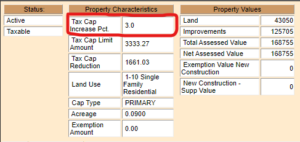
Don’t throw away anything from Clark County! A Tax Cap document will be mailed to you after closing. Complete and return it so your home gets the correct Property Tax Cap Increase Rate as a primary residence (owner occupant). For a primary residence, the cap is 3%. For investment properties, the cap is up to 8%.
To check your current rate, search your property and look for “Tax Cap Increase Pct.” It should read 3.0 for a primary residence.
Didn’t receive it, tossed it, or have questions? Contact the Clark County Assessor at 702-455-3882 or AOCustomerServiceRequests@ClarkCountyNV.gov.
What is a Homestead Declaration?
You’ll likely get official-looking letters about a Homestead Declaration. A Homestead Declaration is an optional Nevada protection for your primary residence that shields your home’s equity (up to $605,000) from general creditors, like unpaid medical bills or credit card debt. It doesn’t apply to your mortgage, taxes, HELOCs, or government debts, and it can’t be filed on investment or vacation homes. You must opt in; it isn’t automatic.
The letters are from companies offering to file it for you (usually around $80 to $100). You don’t have to use them. You can fill out the form yourself in black ink, have it notarized, and record it at the Clark County Recorder’s Office for $42. Chicago Title can also e-record it for you for $46.75 (they can’t notarize it). Questions? Just ask us.
Meet Your Team
You’ll never have to guess who to ask. Every message in your group text reaches the right person.

Matt Farnham
Team Leader
Leads Team Farnham. A full-time Las Vegas REALTOR® since 2004.

Kristen Martinez
Operations Manager
Keeps our team, systems, and paperwork running smoothly.

Jake Welsh
Marketing Manager
Runs photos, websites, social media, ads, and marketing reports.

Brent Teunis
Sales Partner
One of our agents. Guides pricing, offers, and negotiation.

Chruszhet Ledesma-Hydron
Sales Partner
One of our agents. Guides pricing, offers, and negotiation.

Nick Cope
Sales Partner
One of our agents. Guides pricing, offers, and negotiation.
You will likely also work with an escrow officer, a lender, and a home inspector.
Buying With Purpose: The HUB LV
When you buy with Team Farnham, you also support our community. Team Farnham is a proud business partner of The HUB LV, and a portion of what our team earns supports its mission to give everyone in Las Vegas access to a restored life.
What your move helps support: The Lovewell Center, where neighbors experiencing homelessness and poverty earn food, clothing, showers, and haircuts by attending classes that help them move forward. Fostering Hope, which supports foster, adoptive, and kinship families through Care Communities, support groups, and Hannah’s Closet. And Purchased: Not for Sale, a recovery program for teen girls who have survived sex trafficking or are at high risk.
A Small Favor From Our Team
Your trust means a lot to us. If we’ve given you a great experience, would you take a moment to share it? Your review helps other Las Vegas and Henderson home buyers find a team they can trust.
Questions? We’re Always Here to Help
There are a lot of moving parts between an accepted offer and getting your keys. We’re here to guide you, keep you updated, and make it as smooth as possible.
The easiest way to reach us is your Team Farnham group text. It keeps your agent and our transaction team in the loop, so we can get you answers fast.